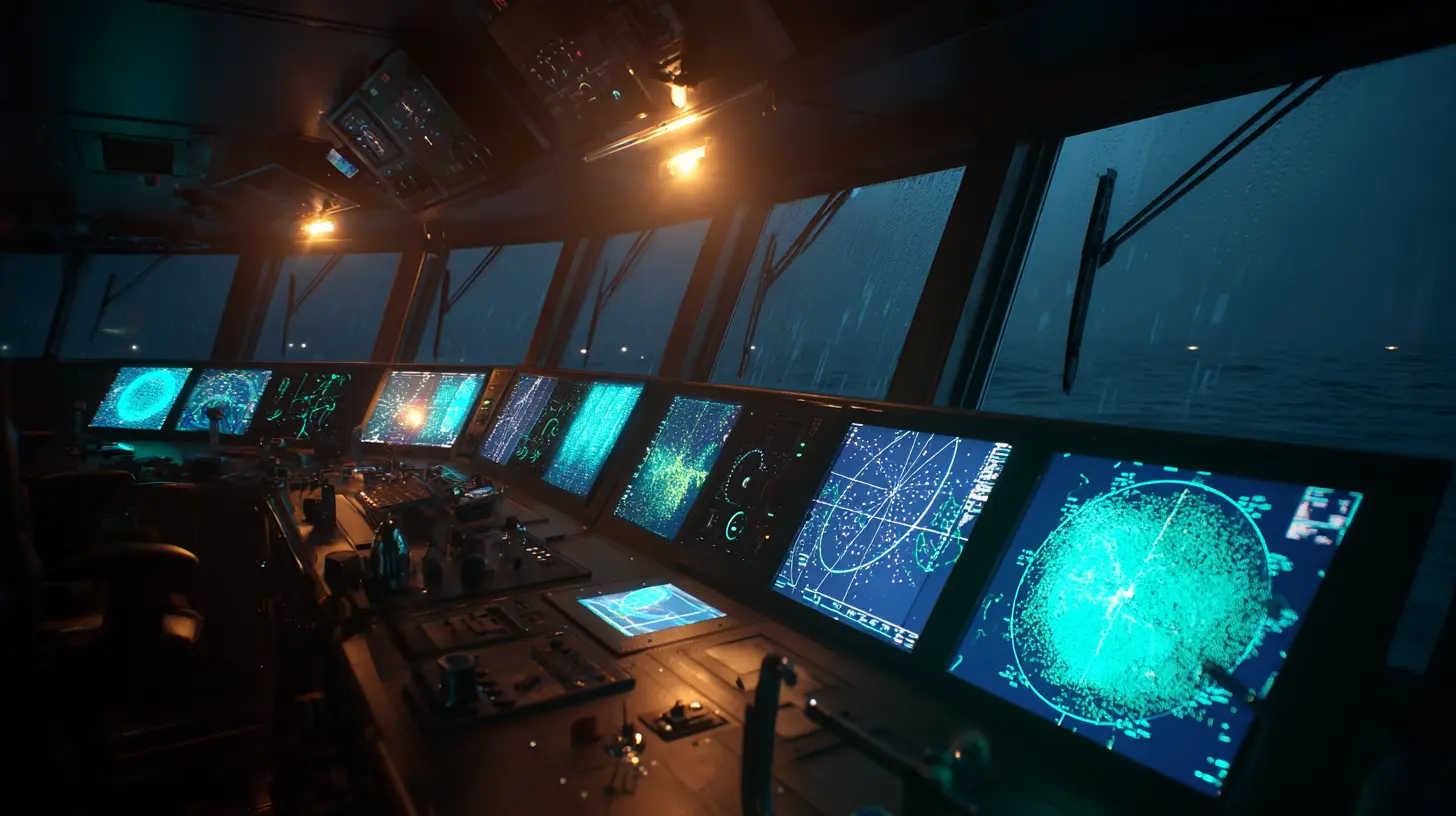
A new mission for our maritime design office: optimizing the environmental and economic performance of LNG transport, by combining physical modeling and artificial intelligence to orchestrate the operational excellence of LNG carriers.
context
LNG carriers transporting LNG are very complex physical systems, where the thermodynamic state of the cargo and its evaporation are closely coupled to the propulsion of the ship, to the reliquefaction system (if the ship has one) and to the meteorological conditions (wind, sea state, etc.).
Depending on the choice of control coupled with the weather, we observe an impact on LNG consumption and therefore on the quantity unloaded upon arrival.
To expand its smart shipping offer, GTT therefore wishes to provide shipowners with an operational assistance tool in order to optimize the overall consumption of the boat while respecting time and delivery quality constraints. Thus, incoming LNG losses are minimized.
definition
Smart shipping is the concept of using advanced tools to assist crews, either onboard or remotely, through automation.
missions
Understanding real operations
Analysis of a large history of data from sensors to characterize the operational constraints of LNG carriers.
Automatic maneuver recognition
Development of algorithms capable of identifying on-board operations and extracting performance indicators.
Ship and cargo digital twin
Creation of a hybrid model, combining physics and machine learning, to faithfully simulate the behavior of the LNG tanker and its cargo.
Taking into account the weather in piloting
Integration of weather forecasts to adjust driving and reduce energy consumption.
Operational optimization through AI
Design of an AI algorithm providing recommendations for optimal cargo and energy management.
innovation
AI in service of energy efficiency for lNG carriers
By combining physical models, operational data, and historical sensor data, our AI fine-tunes cargo management to improve fuel consumption, performance, and safety. Do you have a similar project?
Our maritime design office was able to provide operational advice in order to reduce losses while ensuring delivery on time and at the required quality, the concrete gains of which are as follows:
01
Maximizing the quantity of LNG delivered upon arrival
02
Facilitating the management of unloading constraints
see also
Modelling & Simulation
Artificial intelligence
Improving the reliability of a submarine control and command simulation