01/10/2025
10:37 UTC+1
Page size: 1.024 Mo
load time: 0.04Ms
ce site utilise des cookies_

Coordinating multiservice drone fleets

Robotics activity icon in green
activitY:
Robotics
expertise:
computer science
ARTIFICIAL INTELLIGENCE
plus iconplus iconplus iconplus icon

Mission autonomy for multi-agent systems represents a major challenge for operations in critical environments. To address these challenges, our team is developing a complete functional chain enabling a fleet of heterogeneous drones to perceive, plan, and act in coordination to achieve complex objectives fully autonomously.

context
In emergency scenarios, such as searching for victims after a natural disaster or exploring hostile environments, speed and accuracy in area coverage are critical. Traditionally, simultaneously operating multiple platforms requires significant human cognitive load and complex manual coordination.

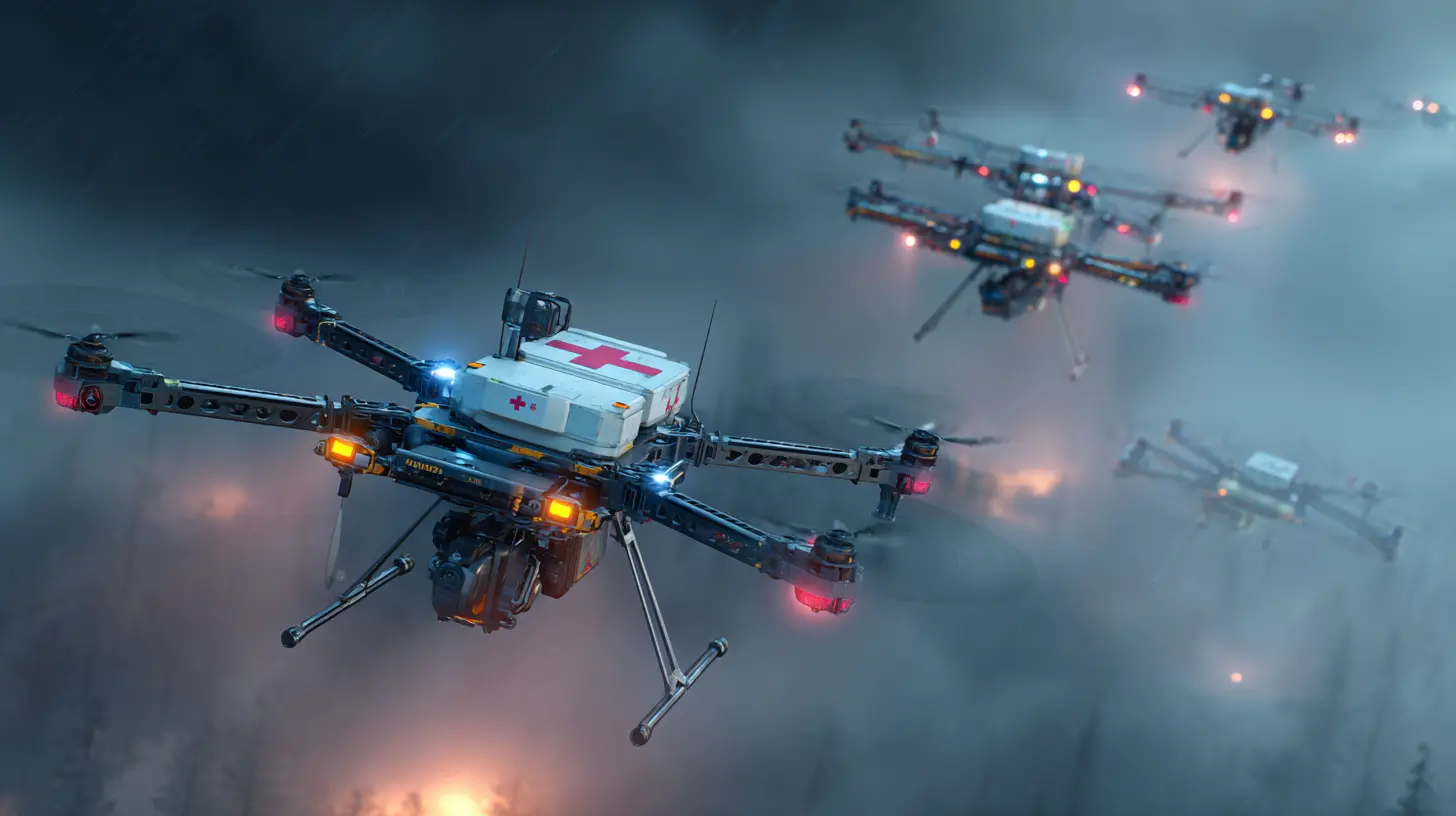
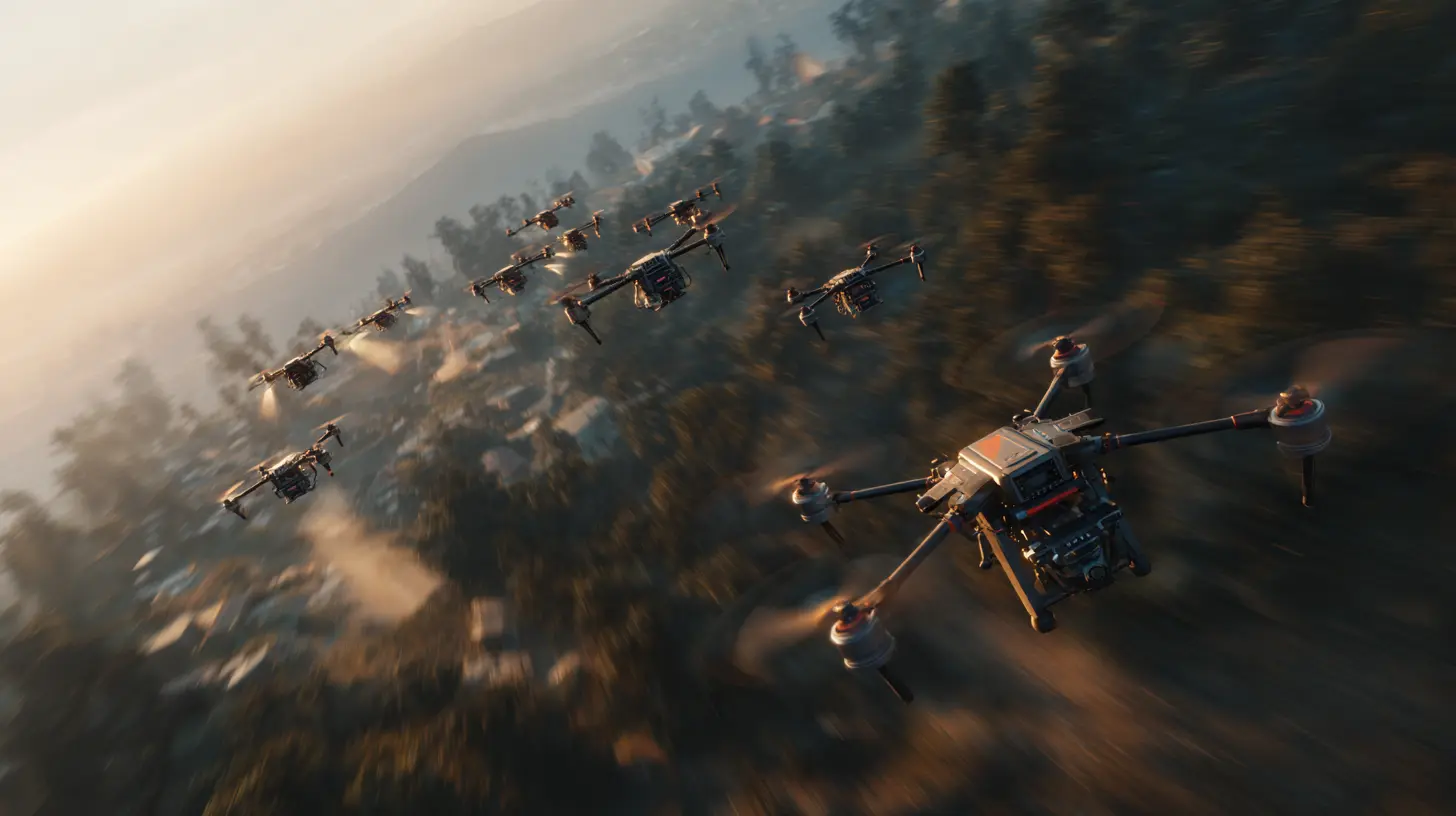
The objective of our solution is to transform a group of individual drones into an intelligent collective system. The system must manage agents with diverse characteristics: some are equipped with thermal cameras for detection, others carry first aid kits, and each has its own energy and mobility capabilities. The core challenge is to dynamically determine “who does what, when, and how” to ensure mission success, even in the face of unexpected field conditions (failures, changing weather conditions).
innovations
Our approach is based on a modular architecture capable of integrating new tasks and adapting in real time to the state of the fleet. The implemented innovations enable a transition from simple control to true mission autonomy.
Multi-agent coordination architecture
minus iconplus icon
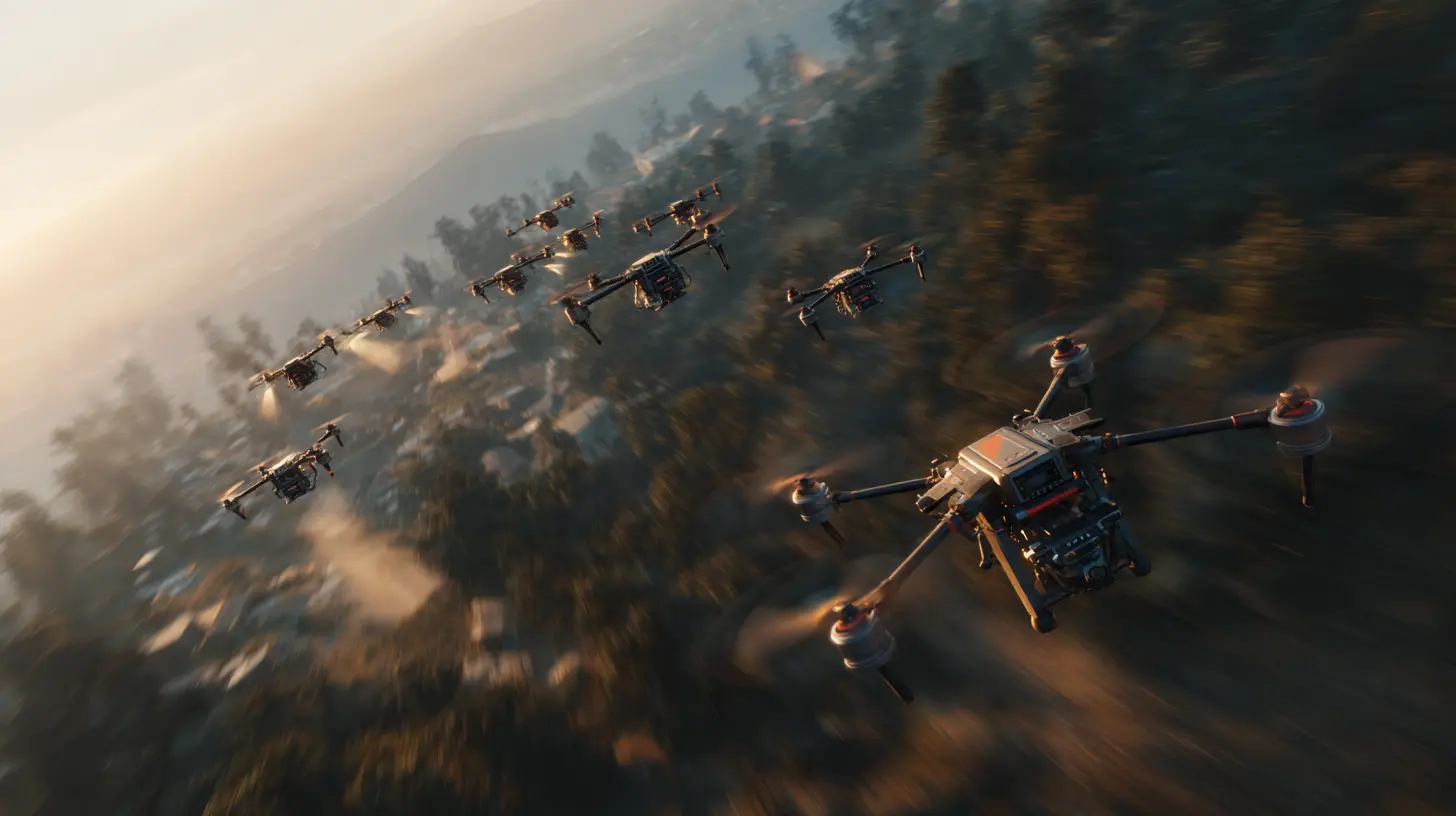
Deployment of an algorithmic module enabling the synchronization of heterogeneous drones (fixed-wing, quadcopters) for optimal area coverage
Dynamic planning and task allocation
minus iconplus icon
Automatic distribution of exploration sub-areas based on the specific skills (payload, endurance) of each agent present in the field.
Real-time plan repair loop
minus iconplus icon
System capability to detect anomalies (drone loss, wind drift) and instantly recalculate a new plan to ensure mission continuity.
Optimization of computing capabilities (Edge Computing)
minus iconplus icon
Algorithms designed to run on low-power embedded computers, ensuring maximum responsiveness without relying on a heavy ground station.
"Perceive-Plan-Act" functional chain
minus iconplus icon
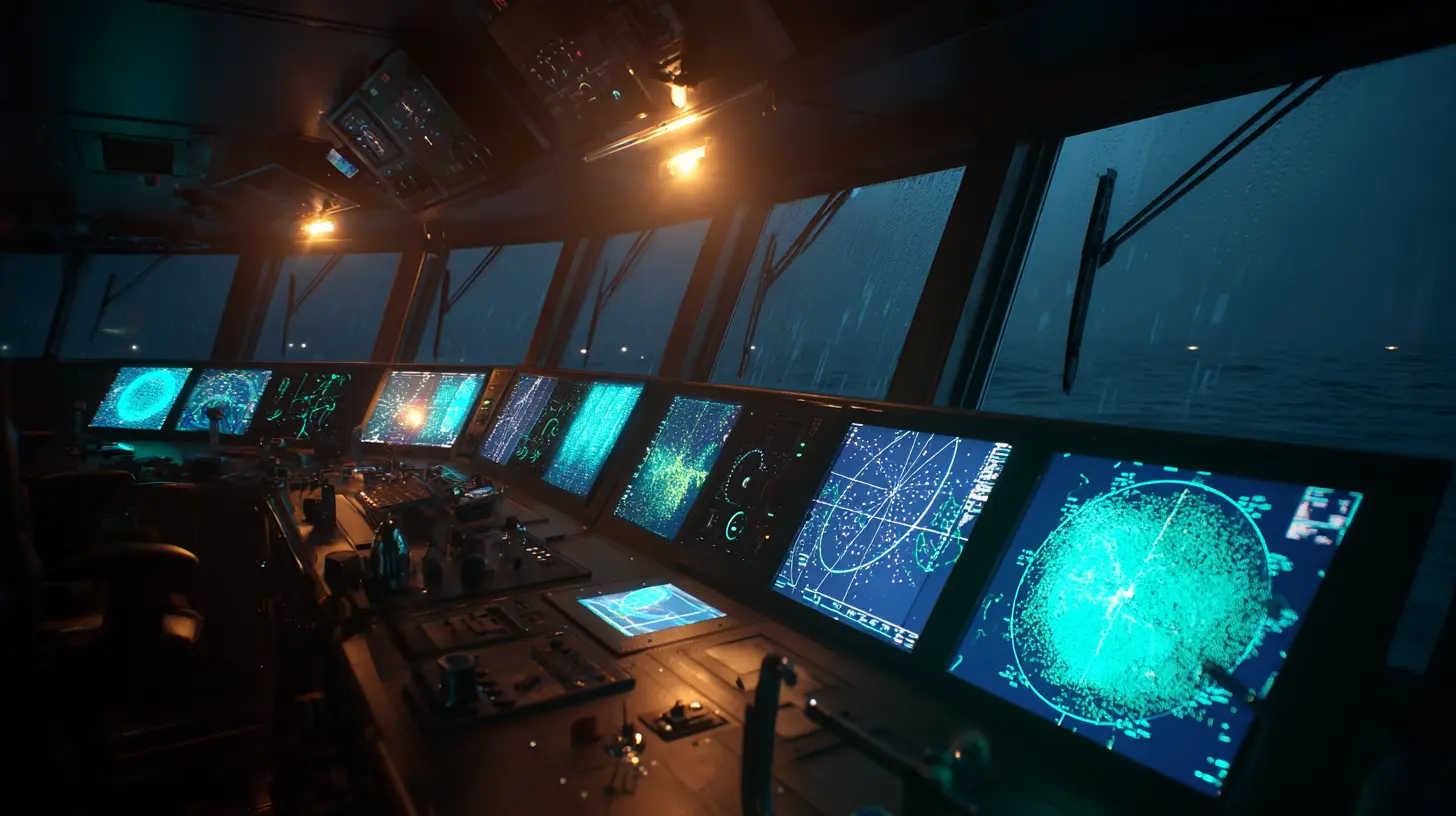
Native integration of sensor streams (Lidar, cameras, radars) to directly feed decision-making and trajectory models.
SOLUTION

Transform a drone fleet into a coordinated and resilient rescue unit.

This software architecture becomes a reliable foundation for conducting complex search and intervention missions, minimizing human involvement and maximizing area coverage efficiency.

profits
Thanks to this collective intelligence, search and surveillance operations gain in reliability and speed. The tangible benefits are as follows:
01

Optimization of area coverage

02

Mission continuity in case of unforeseen events

03

Drastic reduction of operator workload

Footer Gradient

a single conversation can spark Innovation