01/10/2025
10:37 UTC+1
Page size: 1.024 Mo
load time: 0.04Ms
ce site utilise des cookies_

IMPROVING THE RELIABILITY OF A SUBMARINE CONTROL AND COMMAND SIMULATION

maritime activity icon in green
activitY:
Maritime
expertise:
Modelling & Simulation
ARTIFICIAL INTELLIGENCE
plus iconplus iconplus iconplus icon

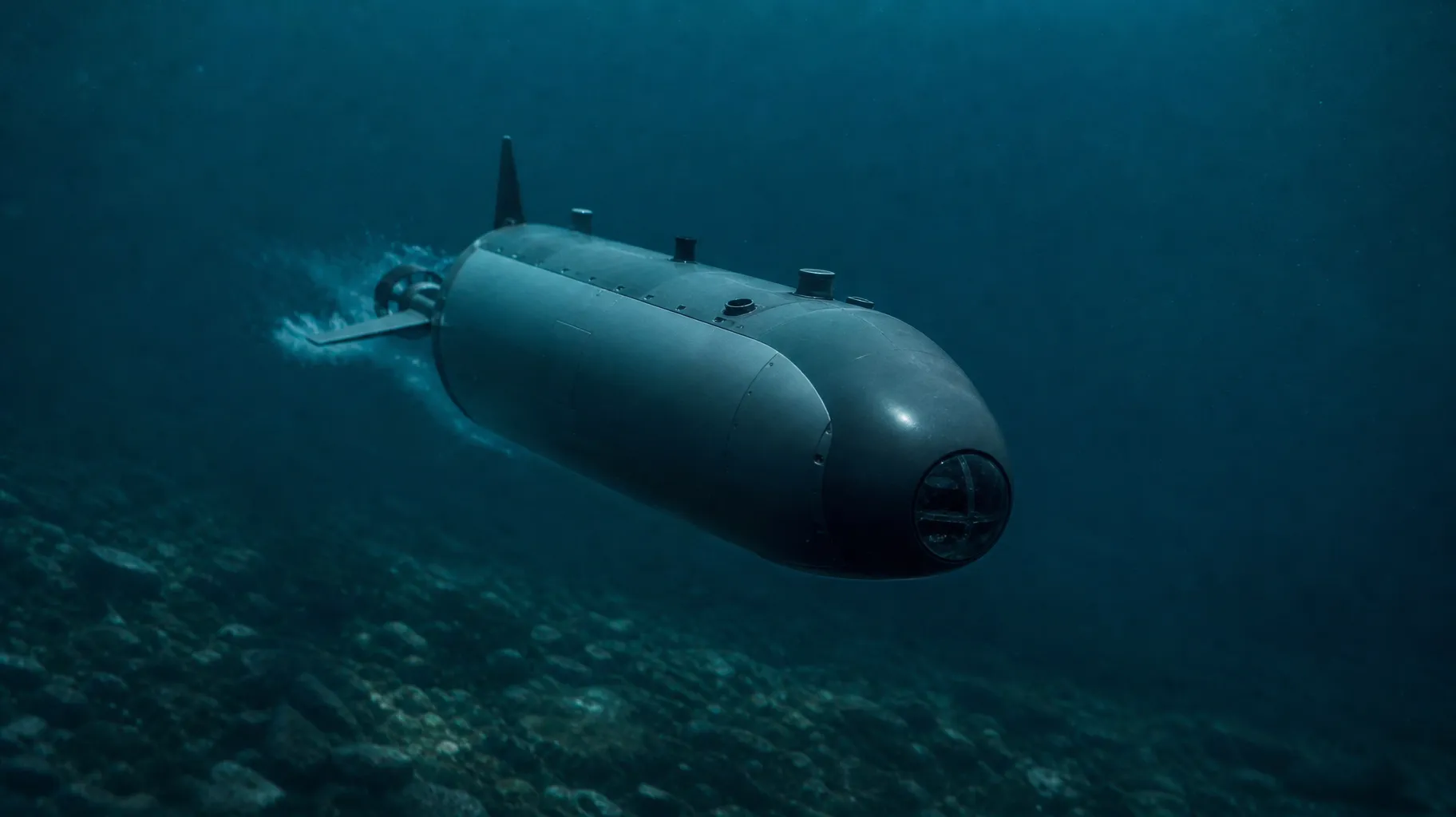
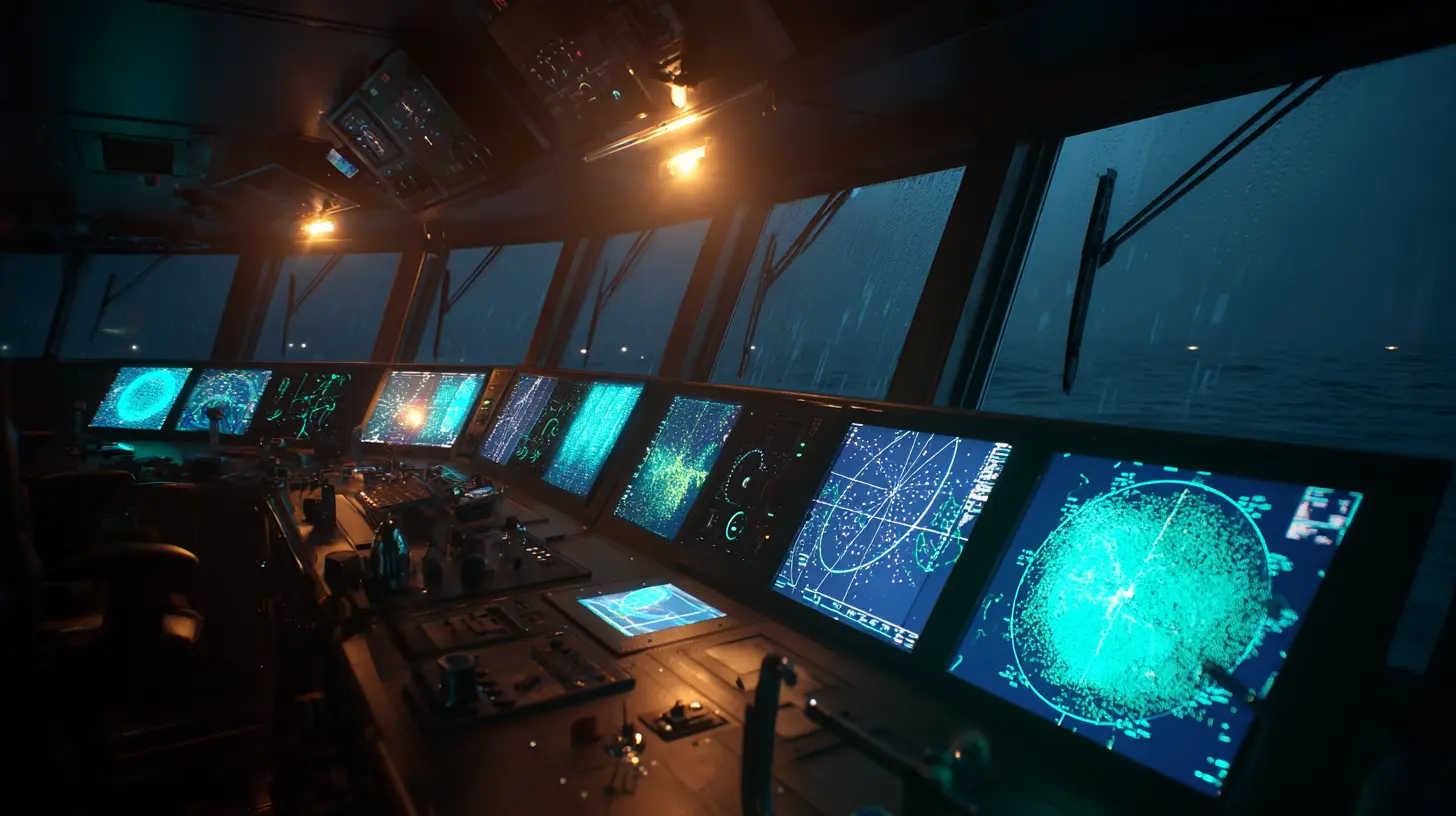
The design of control algorithms for robotic systems operating in marine environments relies on reliable physical simulation capable of accurately reproducing the system’s behavior before any real-world testing. Our client, which specializes in the design of drones for underwater mine clearance, sought to enhance the reliability of its simulation workflow and control algorithms in preparation for its at-sea testing campaigns.

context
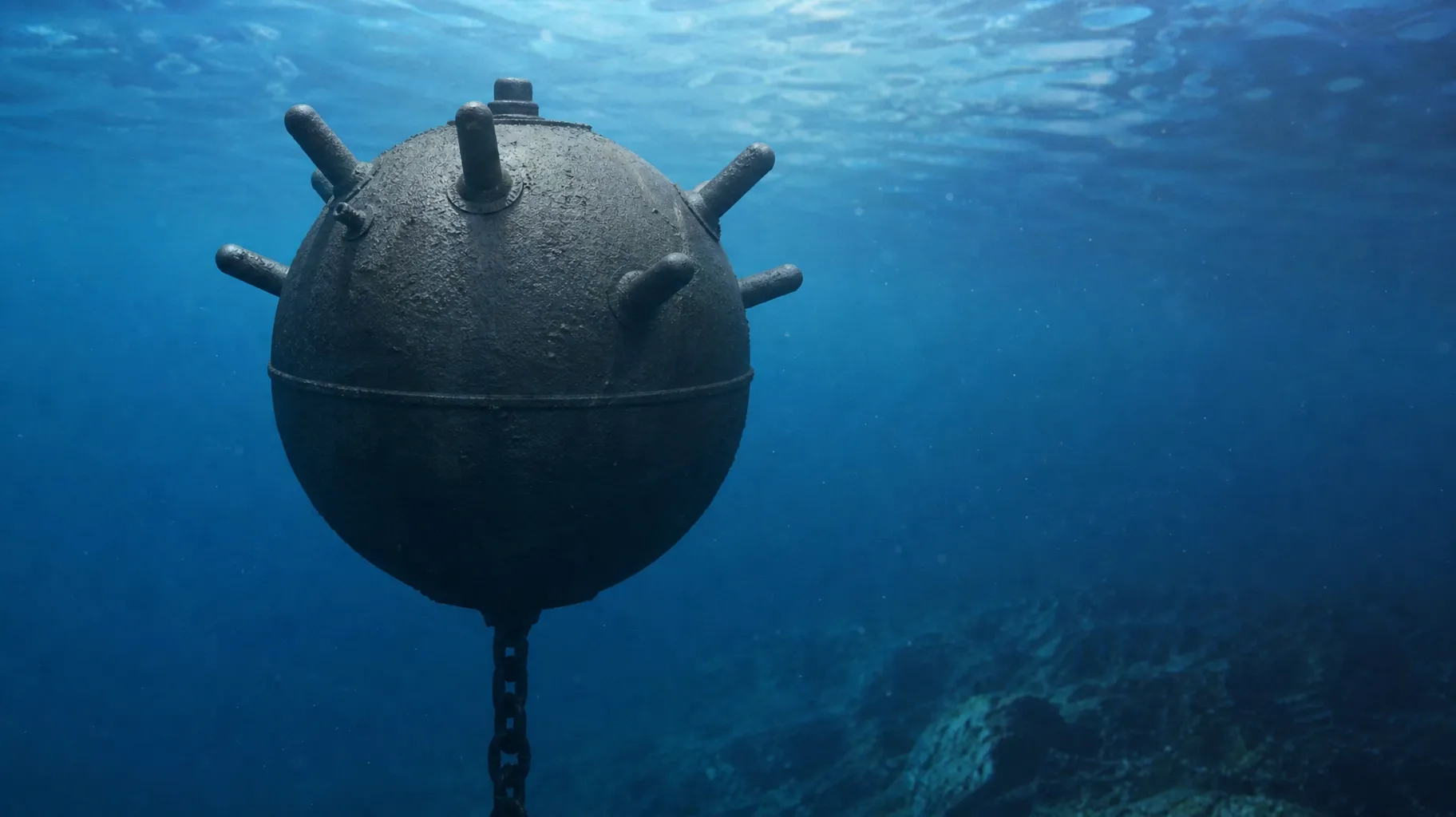
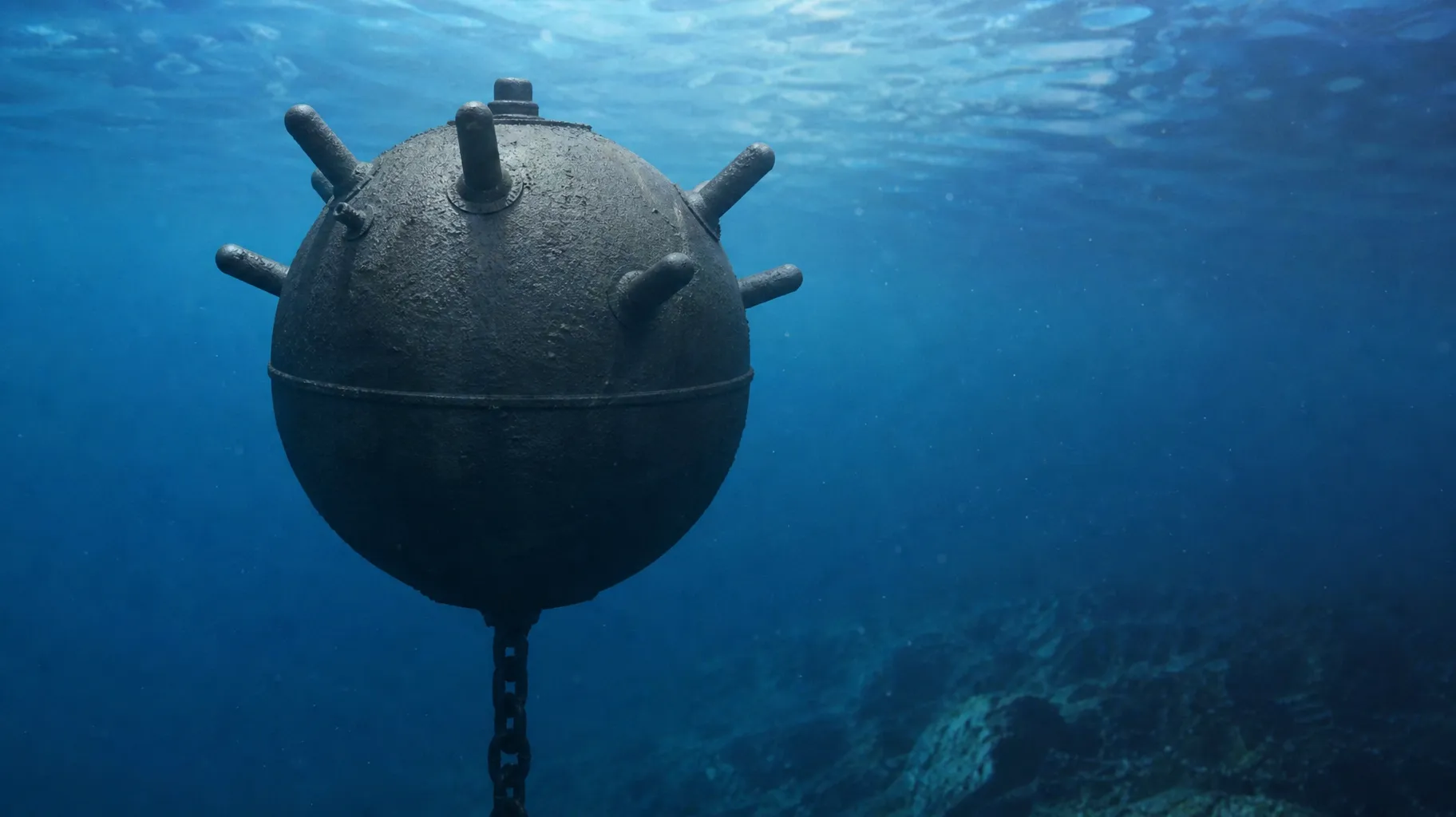
The drones developed by our client are equipped with sonar capable of detecting underwater mines. Controlling this type of system is particularly challenging: unlike conventional algorithms, for which testing procedures are well established, this involves anticipating all possible scenarios that could go wrong at sea, where weather conditions and sea state are beyond our control.

To provide a framework for this work, a test plan was formalized in advance, detailing the data to be recorded, the desired operational conditions, and the expected results, as well as the adaptation and refinement of feedback loops to accommodate unforeseen circumstances as the mission progresses.
innovations
Our team supported the client throughout the entire project cycle, from taking over the simulation platform to validating the control law, including adapting the physical model to the new vehicle.
Improving the Reliability of Physical Sonar Simulation
minus iconplus icon
Correction of a dolphin effect identified in the simulated drone's behavior, mitigated through new dynamics developed as part of the second phase of work.
Convergence of the Control-Command Law
minus iconplus icon
Adjustment, through successive iterations, of the control law parameters to converge within the performance limits specified by the customer.
Getting Started with a ROS/Gazebo Client Environment
minus iconplus icon
The team gained proficiency in a robotic simulation environment developed by the client, despite having only partial documentation.
Structuring a Sea Trial Plan
minus iconplus icon
Formalization of the data to be recorded, operational conditions, and expected results, in order to ensure the smooth conduct of actual test campaigns.
SOLUTION

Modification of an existing simulation platform to integrate a new vehicle, enabling the validation of tests and adjustments prior to sea trials.

This consolidation allows the customer to test and fine-tune its control and command system with confidence before launching campaigns under real-world conditions.

benefits
This approach allows the customer to ensure the safety of its sea trials while improving responsiveness during the tuning phases.
01

Reduced risk of failure and time savings during sea trial campaigns

02

Presetting the control law within the specified limits

03

Rapid iteration on settings through automated simulation

Footer Gradient

a single conversation can spark Innovation