01/10/2025
10:37 UTC+1
Page size: 1.024 Mo
load time: 0.04Ms
ce site utilise des cookies_

Virtual sensors: AI is revolutionizing measurement

maritime activity icon in green
activity:
Maritime
expertise:
Computer science
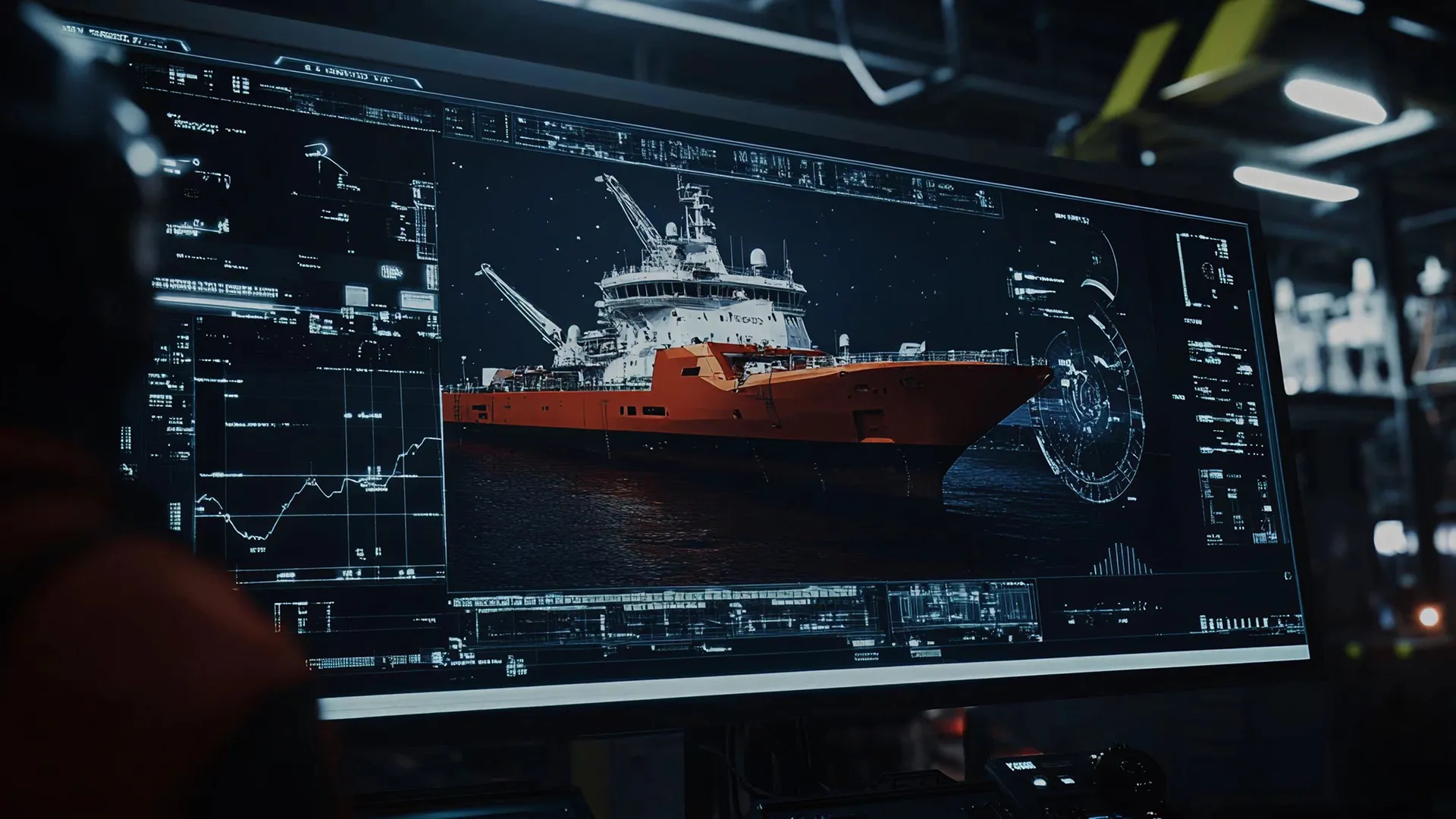
Digital image of a red and white ship displayed on a large screen with graphics and technical data.
plus iconplus iconplus iconplus icon

Innovative methods for designing virtual force and torque gauges on the appendages of a ship.

key challenges
Complex physical systems often require precise and comprehensive monitoring of their state in order to be operated as efficiently as possible.
This monitoring is generally based on physical sensor instrumentation, which can raise several recurring challenges across many industrial sectors (energy, transport, aerospace, maritime, etc.).
cost

These sensors are often very expensive

disturbances

They can be intrusive and interfere with the normal operation of the system.

maintenance

They require maintenance, and their performance can drift over time.

Measurement Limitations

Some physical quantities cannot be easily measured.

VIRTUAL SENSORS, A STRATEGIC LEVER FOR THE INDUSTRY

By reducing costs and improving system understanding, virtual sensors pave the way for digital twins, control systems, and operational optimisation. Do you have a similar project?

methodology
In its pursuit of decarbonisation, the maritime sector is seeing the emergence of innovative systems such as wings and foils.
In order to size them accurately, operate them as efficiently as possible, and ensure proper maintenance, it is essential to understand the loads they are subjected to. These loads are complex to measure, which is why OSE has developed a breakthrough methodology to create virtual sensors.
simulations

Detailed physical models and relationships between key variables.

Measurements at Sea

Data collected under a wide range of navigation and weather conditions.

Data & AI

Data analysis and artificial intelligence to refine predictions.

benefits
OSE has developed this expertise for two application use cases:
Foil Load Estimation
minus iconplus icon
Calculation of the loads acting on foils for offshore racing yachts, in order to adjust sailing settings and reduce the risk of structural failure.
Wing Load Estimation
minus iconplus icon
Estimation of the loads acting on wings for commercial vessels, enabling anticipation of control settings, optimisation of operational efficiency, and quantification of their energy contribution to vessel propulsion.
Footer Gradient

a single conversation can spark Innovation