01/10/2025
10:37 UTC+1
Page size: 1.024 Mo
load time: 0.04Ms
ce site utilise des cookies_

How to support trawlers in their energy transition?

maritime activity icon in green
activity:
maritime
expertise:
Computer science
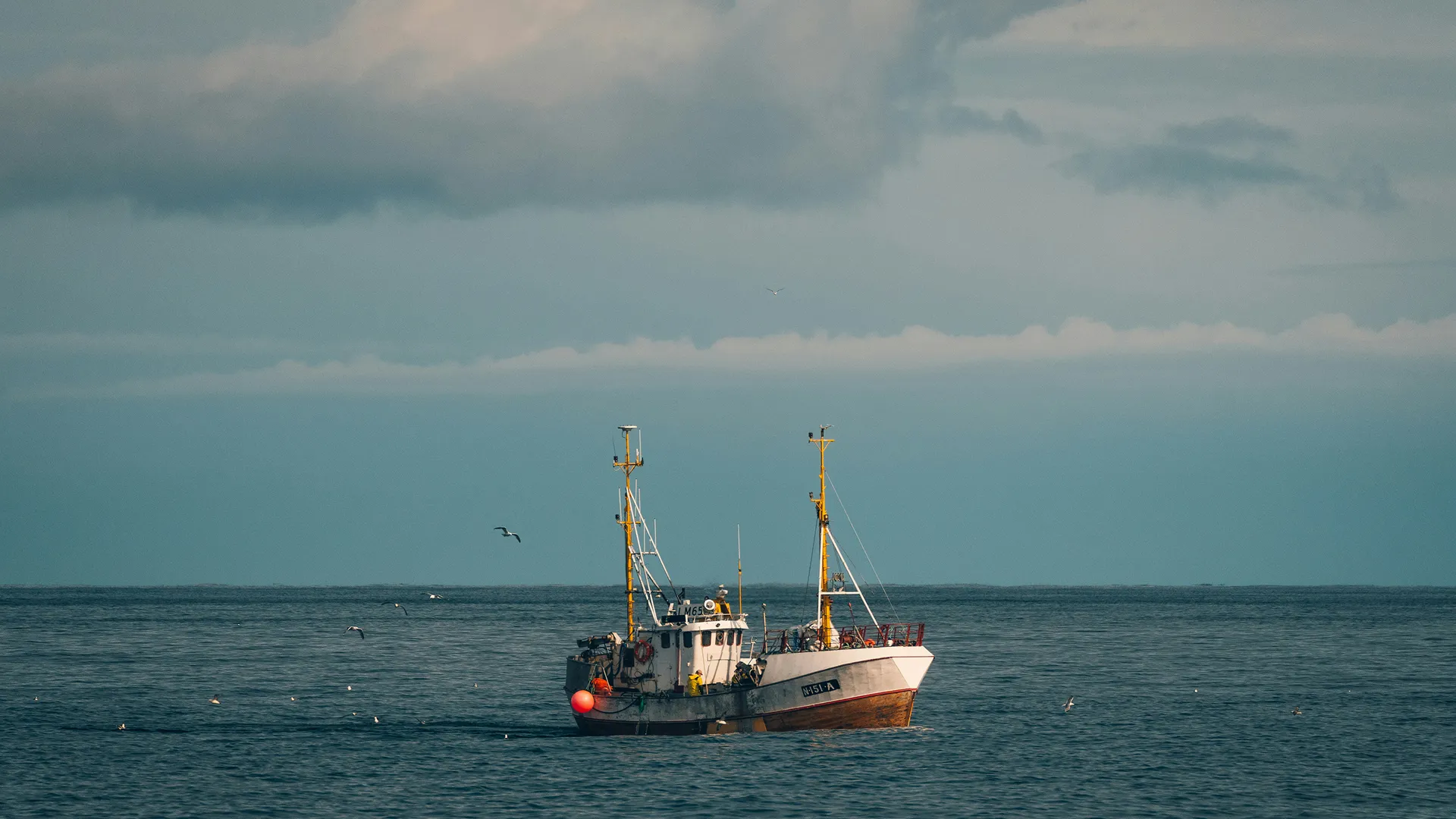
A white and orange fishing boat on a calm sea under a cloudy sky with seagulls flying around.
plus iconplus iconplus iconplus icon

The OSE team is carrying out an audit of the operational energy and environmental profiles of a small-scale fishing trawler to accelerate their energy transition.

context
The energy-intensive fishing sector accounts for approximately 4% of greenhouse gas emissions from global food production (Parker, 2018). Beyond the climate impact, the costs associated with fuel and the upgrading of energy generation systems are a source of concern for professionals in the sector.

Indeed, fishing vessel fleets are preparing for environmental regulations, in particular by complying with the IMO Tier III regulations of the MARPOL Convention (which came into force on 1 January 2021). For the operation of engines, it involves the implementation of a reduction in nitrogen oxide (NOx) emissions in areas with controlled emissions (SECA zone) including the Channel and the North Sea. With the prospect of operating costs increased by the need to optimize energy generation systems on board ships. These are the first steps to the emergence of more stringent standards in the near future.
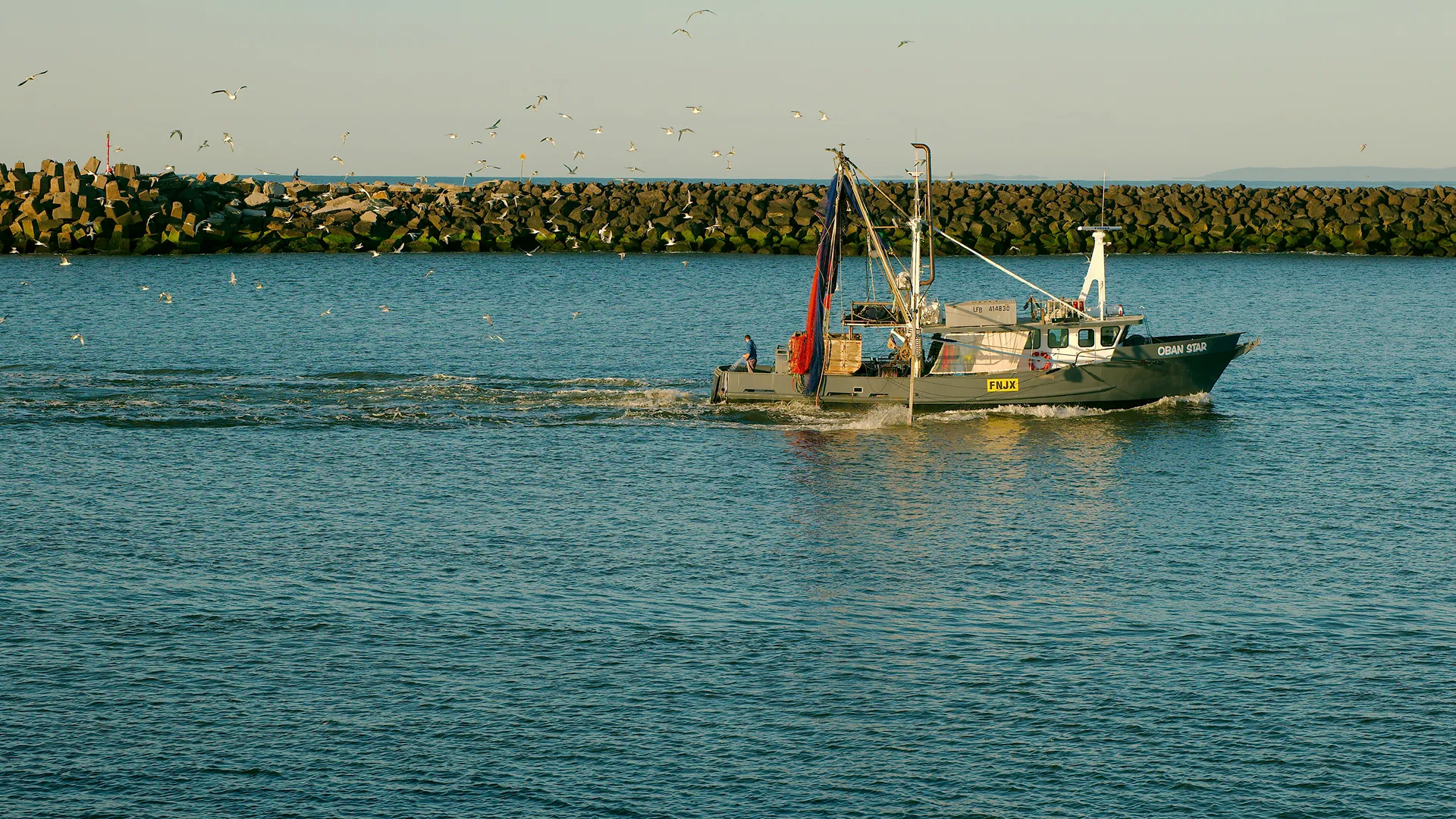
Fishing boat named Oban Star sailing through the water with seagulls flying above and a rock dike in the background.
The project therefore aims to support trawlers in their energy transition by reducing emissions of pollutants and/or greenhouse gases from trawlers, in a viable economic environment. The objective is to be able to reproduce this type of study on different types of fishing vessels.

At present, for safety reasons and in accordance with current maritime standards, only diesel or diesel-electric engines are authorized for fishing vessels, including trawlers concerned.The present study could be a point of support to advance discussions and propose changes in standards and regulations governing and authorizing the use of alternative fuels for fishing as part of their energy transition.

AUDITing the ENERGY IMPACT OF AN ARTISANAL fishing TRAWLER

The STREAM project aims to carry out an in-depth analysis of the operational profiles of an artisanal fishing trawler —an especially energy-intensive segment— in order to assess its energy and environmental performance. Are you interested in this project?

approach
OSE is setting up a comprehensive analysis of the real uses of the trawler in order to identify ways to improve energy and assess more sustainable alternatives.
Analysis of operational profiles
minus iconplus icon
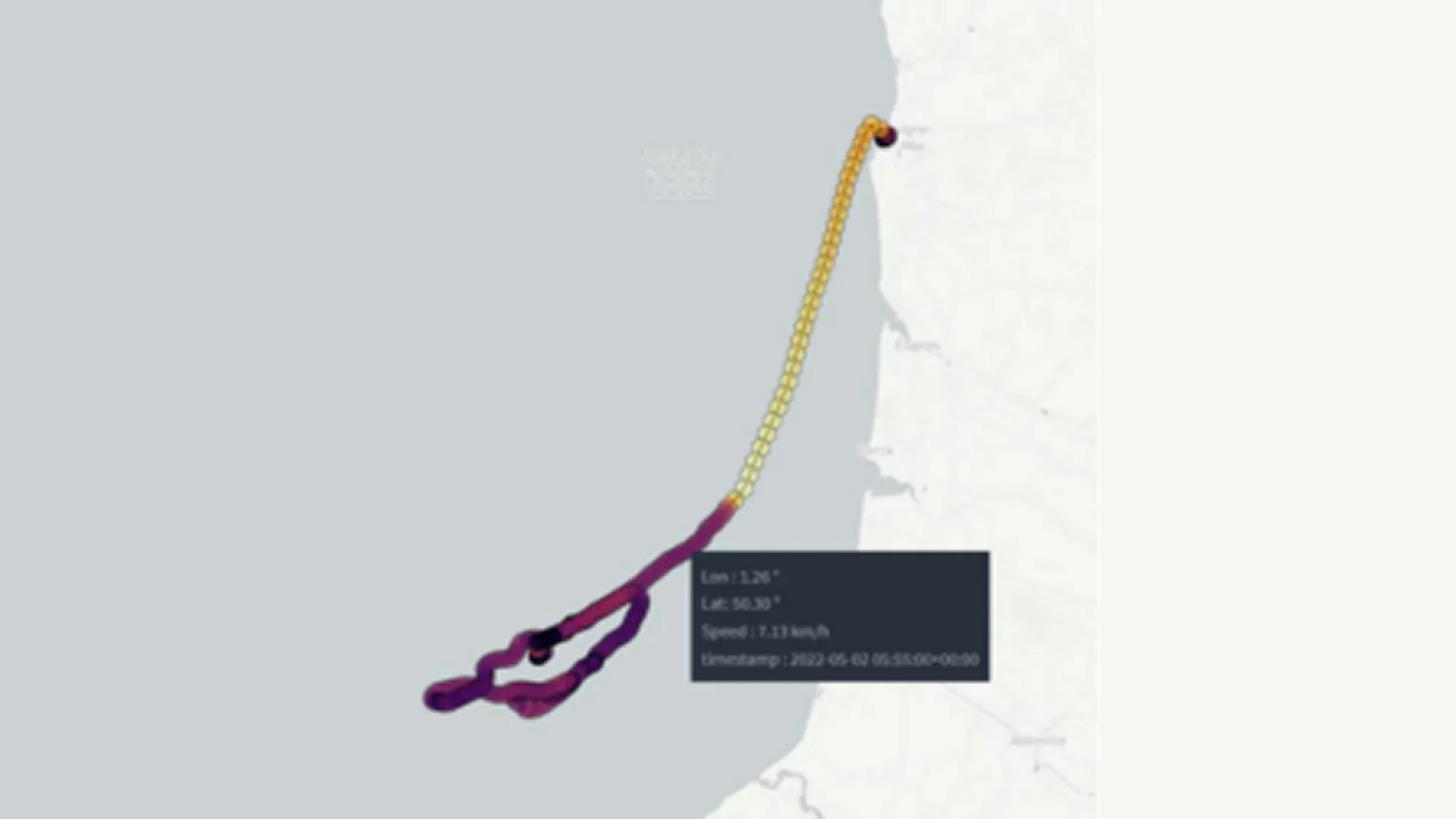
Thanks to measured data and business expertise, OSE analyzes the operational profiles of the trawler: typical consumption, activity phases, associated emissions. These profiles make it possible to precisely understand the energy reality depending on the situation (deployed trawl, low speed, return to port, etc.).
Assessment of alternative fuels
minus iconplus icon
An economic and environmental feasibility study compares different energy architectures, including the integration of alternative fuels or an energy transition to hydrogen or natural gas (via retrofit). This analysis makes it possible to identify the most relevant solutions to reduce emissions and consumption.
On-board energy optimization
minus iconplus icon
Alternative energy production and conversion systems are compared with real profiles in order to estimate potential gains. The objective: to propose ways of energy optimization that can be directly activated on board.
Automated energy audit
minus iconplus icon
OSE is developing AI methods and post-processing tools to automate the energy audit, making it repeatable and reliable. Statistical and physical analyses make it possible to identify the levers for improving performance.
Visualization and recommendations
minus iconplus icon
An ergonomic interface presents the results in the form of a dashboard for clear and operational management. Finally, OSE provides optimization perspectives and recommendations adapted to the real uses of the ship.
benefits
We are also carrying out a study of alternative engines to show an overview of the fuels of the future through:
01

A bibliographical study of different types of fuels

02

Estimation and reduction of CO₂ emissions

Footer Gradient

a single conversation can spark Innovation