01/10/2025
10:37 UTC+1
Page size: 1.024 Mo
load time: 0.04Ms
ce site utilise des cookies_

sail propulsion: watch out for stall

maritime activity icon in green
activity:
Maritime
expertise:
Computer science
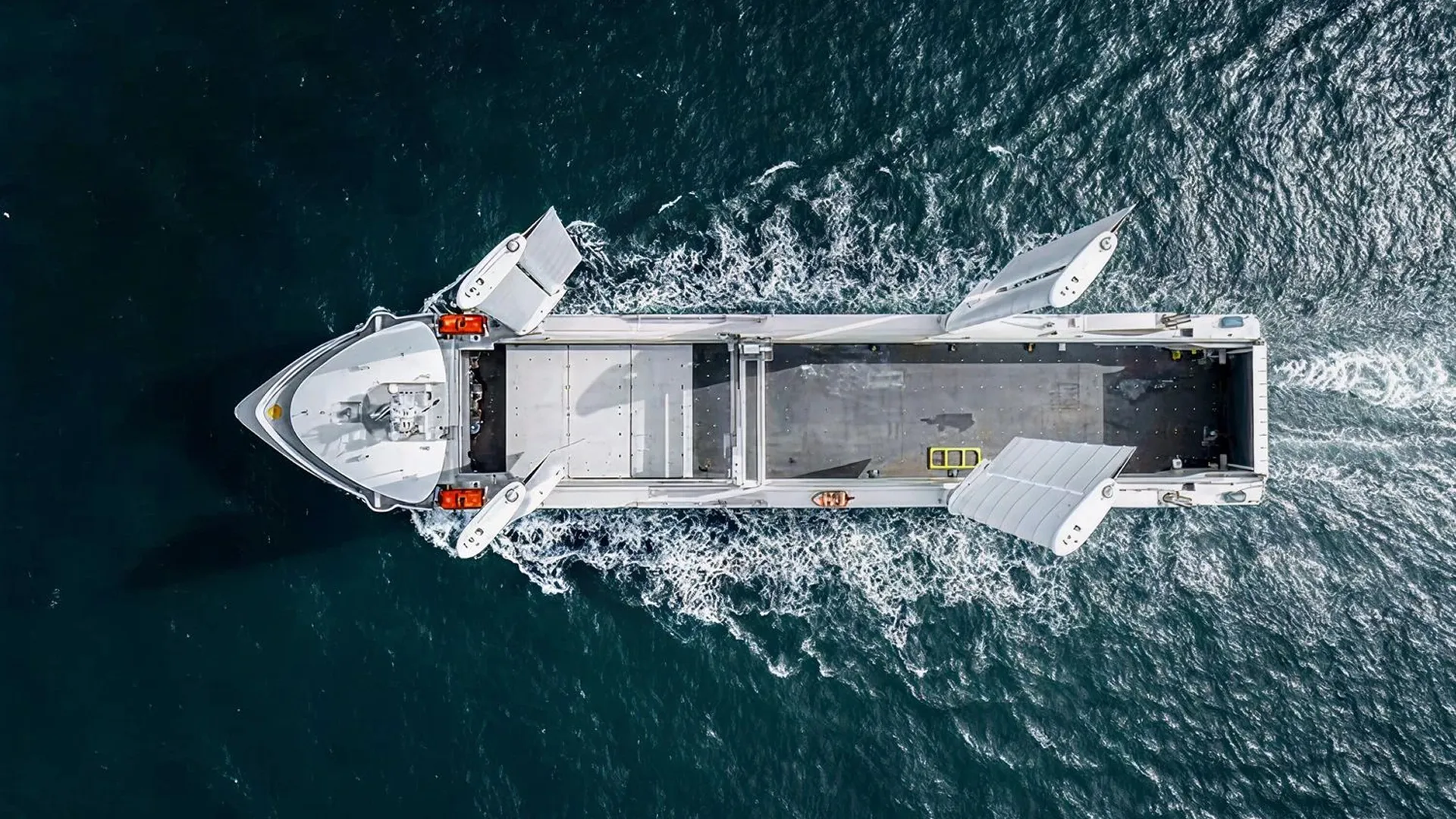
Aerial view of a large white ship at sea with doors open on the sides and back.
plus iconplus iconplus iconplus icon

Sail Propulsion, a leading figure in the decarbonization of maritime transport.

context
Driven by new standards limiting polluting emissions, maritime transport is beginning its energy transition. It is a real engineering challenge, which is based both on hardware innovations (with the development of wind thrusters or carbon capture systems at the top of the line), but also on software innovations, to optimize the design and energy efficiency of ships. Wind propulsion, known for centuries, is being revisited and adapted to meet demanding operational and performance constraints. The effectiveness of these systems depends greatly on their settings, which must be continuously adapted to wind and navigation conditions and to the particularities of the vessels equipped.

OPTIMIsing WING THRUST, SECURing vessel PERFORMANCE

A real-time solution that increases the effective thrust generated by wings without compromising vessel stability, manoeuvrability, or safety. Do you have a project?

approach
OSE has developed an innovative solution allowing the real-time control of wings in order to maximize their useful thrust on the ship, while respecting operational constraints related to the mass and inertia of the wings and their associated systems, to the effects generated by these thrusters on the ship's progress (flight, drift) and to the safety of the ship. The solution is based on a hybrid approach, combining AI, mechanical and aerodynamic calculations, and command control algorithms:
Real-time wind prediction
minus iconplus icon
A module for predicting the direction and speed of the wind in the short term, based on embedded measurements (anemometer or lidar) and on an AI model trained from historical data.
Digital twin of wings and ship
minus iconplus icon
A dynamic simulation to estimate the thrust produced according to wind settings and conditions, while integrating aerodynamic interactions and the influence of ship movement.
Predictive control command
minus iconplus icon
Algorithms automatically optimize wing settings to maximize their thrust, by anticipating wind variations and taking into account the mass and inertia of the systems.
innovation

The development of intelligent control systems for wind propulsion is a major advance for the maritime energy transition. By automating adjustments and integrating predictive models, OSE improves performance while ensuring vessel safety.

photo of Christophe LECLERCQ, CEO.
Christophe LECLERCQ
ceo
benefits
01

Increased thrust performance

02

Optimized wing movement management, reducing wear and breakdowns

03

Automated management that assists the crew

Footer Gradient

a single conversation can spark Innovation