01/10/2025
10:37 UTC+1
Page size: 1.024 Mo
load time: 0.04Ms
ce site utilise des cookies_

Ray tracing and building energy efficiency

Energy activity icon in green
activity:
energy
expertise:
Computer science
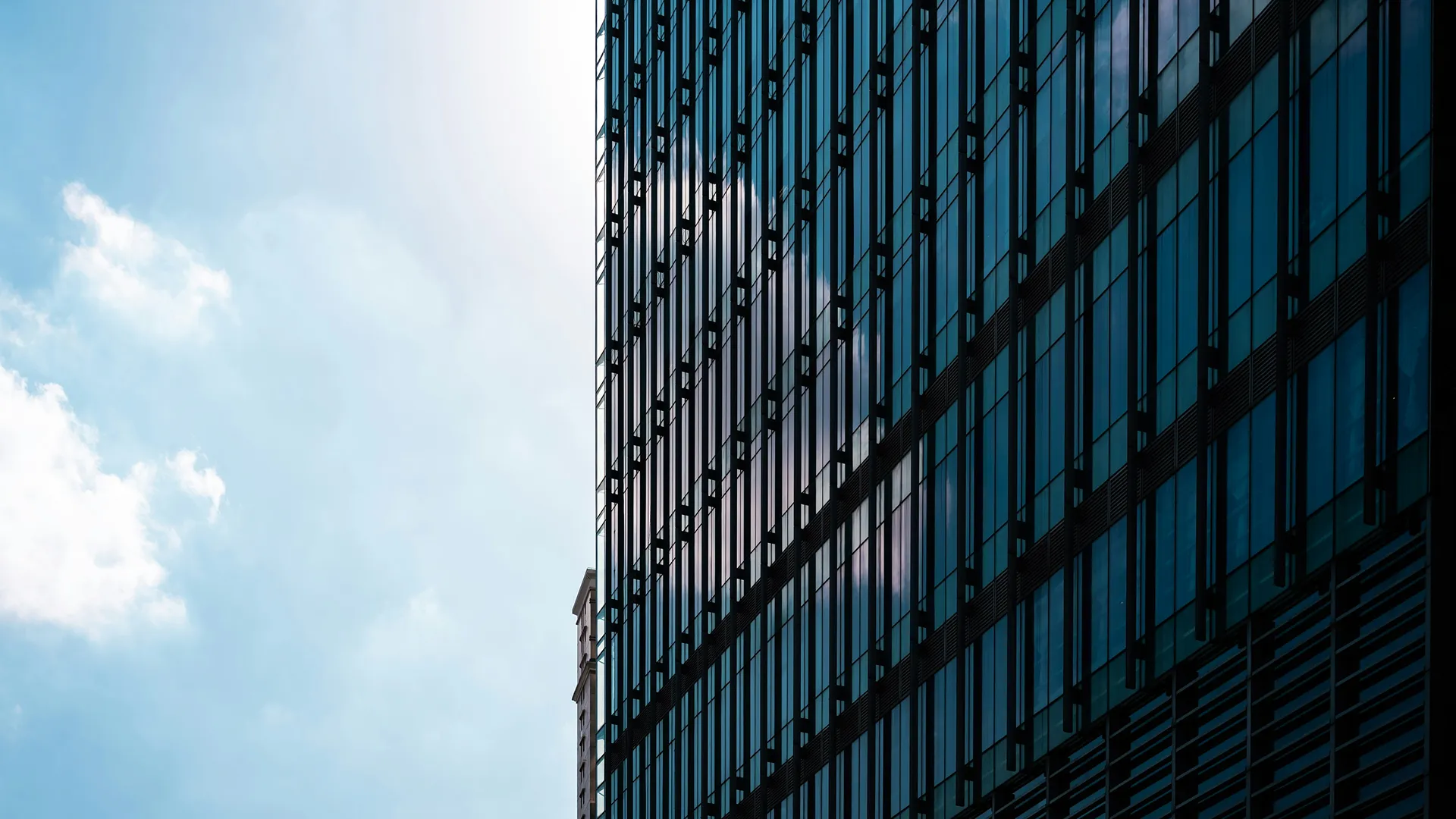
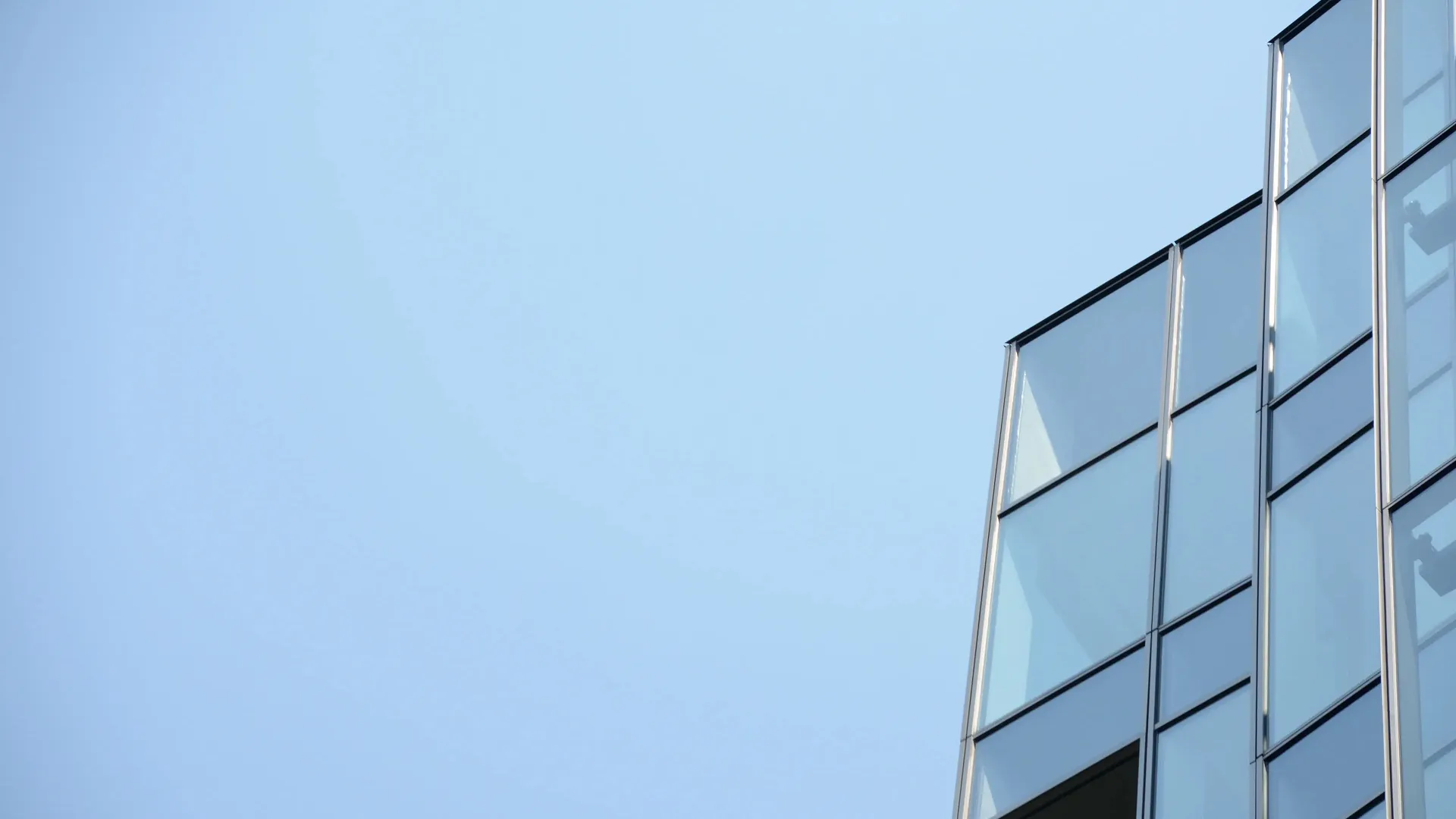
Facade of a modern building with reflective glass windows under a clear blue sky.
plus iconplus iconplus iconplus icon

OSE acted as an innovative partner by developing performance calculation software whose results have been certified by the CSTB. Presentation of the project using the ray tracing method that made it possible to fulfill our missions.

context
Our client is developing an innovative passive glazing technology capable of reducing the carbon footprint of buildings. This system, which is maintenance free, takes advantage of the difference in the sun's elevation between summer and winter to let heat in during the cold season and block it out in the summer.

Intended for businesses, shopping centers and communities, this product aims to improve the energy performance of buildings while reducing their consumption.
Glass facade of a modern building reflecting clouds in a blue sky.
solution
To assess the light and energy transmitted, reflected and absorbed by the glazing, we used a statistical method called ray tracing.

The principle of this method is to digitally generate a very large number of light rays with different slopes and points of impact on the glazing.

At each encounter with an element of the glazing, the ray can either be transmitted, reflected, or absorbed with a probability rate depending on the element. Thanks to this work, the OSE team has developed an innovative tool for characterizing the performance of glazing that has been validated by the CSTB.
innovation

ANALYZE LIGHT AND HEAT TO OPTIMIZE GLAZING

Ray tracing simulations make it possible to model the transmission, reflection and absorption of energy according to the orientation of the glazing and the environmental conditions.

methodology
In order to meet the specific needs of our client, OSE Engineering has developed a tailor-made software dedicated to the evaluation of the light and energy performances of glazing.

This software is based on a rigorous methodology, structured in several calculation steps, and has been validated by the CSTB on a set of test cases representative of the diversity of real configurations: geographical position, facade orientation, facade orientation, sunshine and temperature.
Characterization of glazing
minus iconplus icon
Calculation of light and energy transmissions, reflections and absorptions using ray tracing simulation.
Environmental conditions
minus iconplus icon
Taking into account the azimuth, the rise of the sun, the sunshine and the temperature for a given place, facade orientation and moment.
Heat transfers
minus iconplus icon
Modeling of exchanges by radiation and convection, coupled with sunlight and the absorption of solar rays, in order to assess outside and inside temperatures.
Post-processing of results
minus iconplus icon
Analysis of seasonal energy performances and calculation of the maximum temperatures reached by the system to assess its overall behavior.
results

We have developed a tailor-made software, validated by the CSTB through a series of representative tests covering the diversity of possible situations: geographical position, facade orientation, sunshine and temperature.
Do you have a project requiring modeling or validation of your calculation tools?
Our team accompanies you.
Footer Gradient

a single conversation can spark Innovation