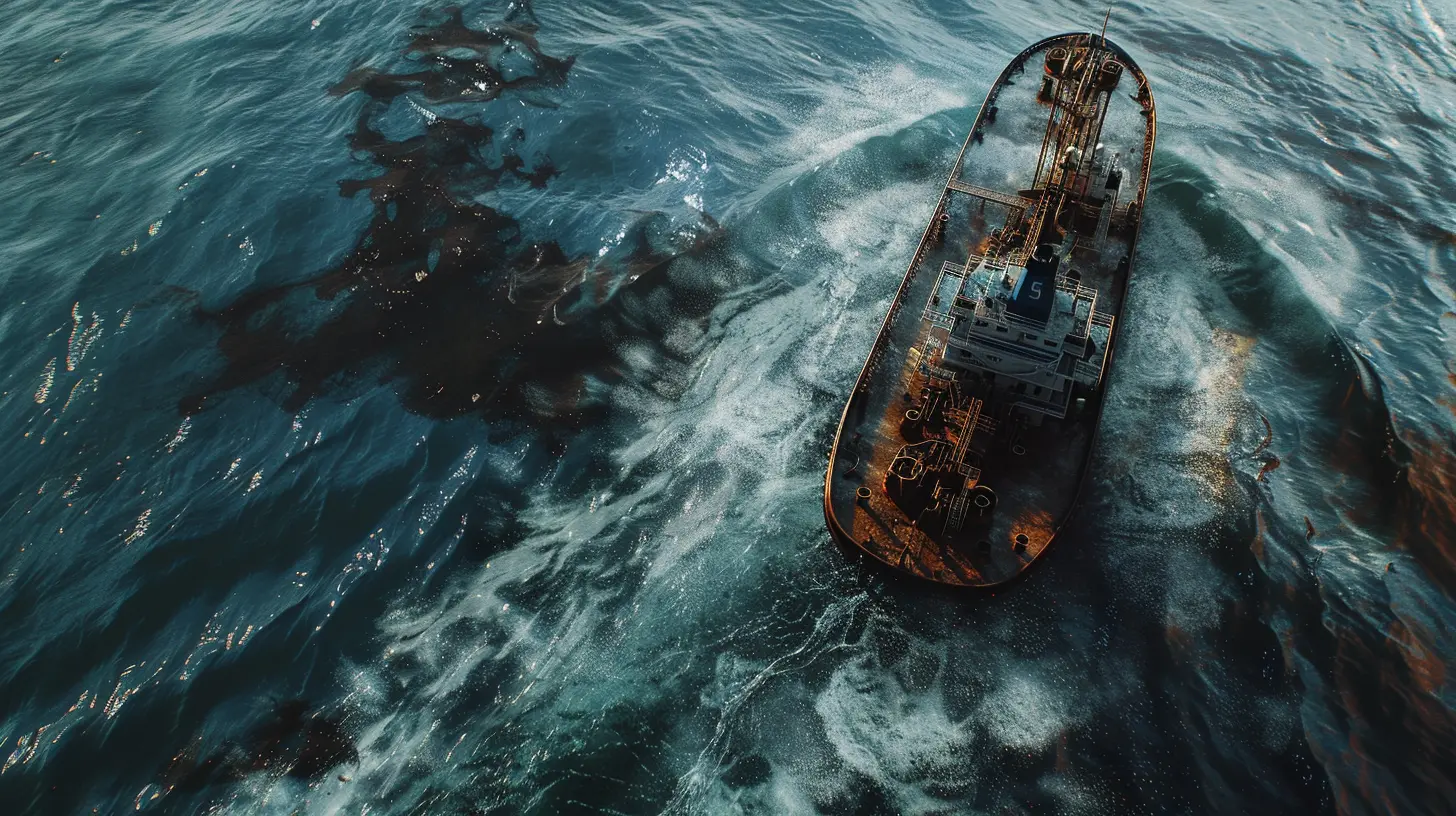
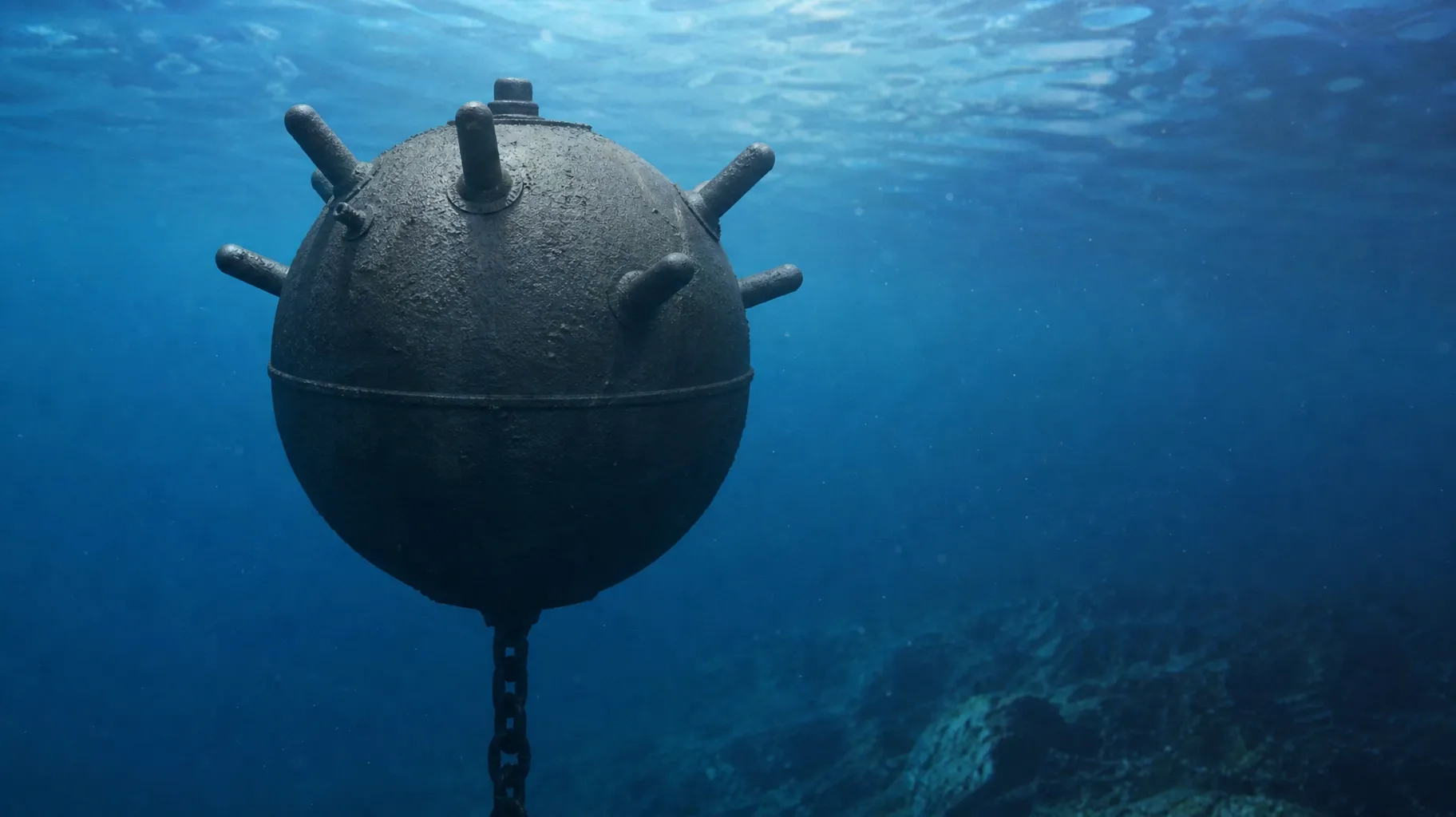
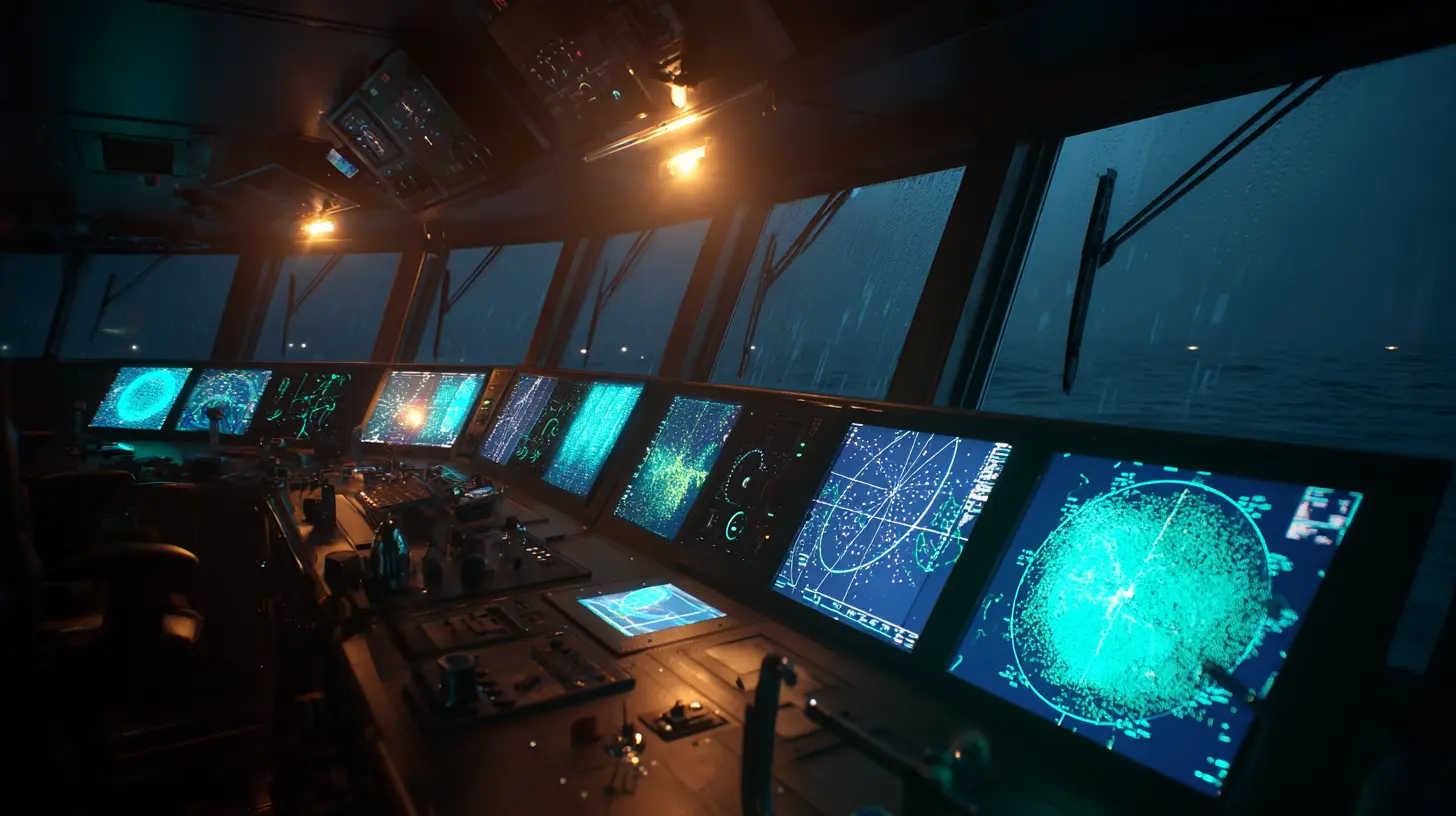
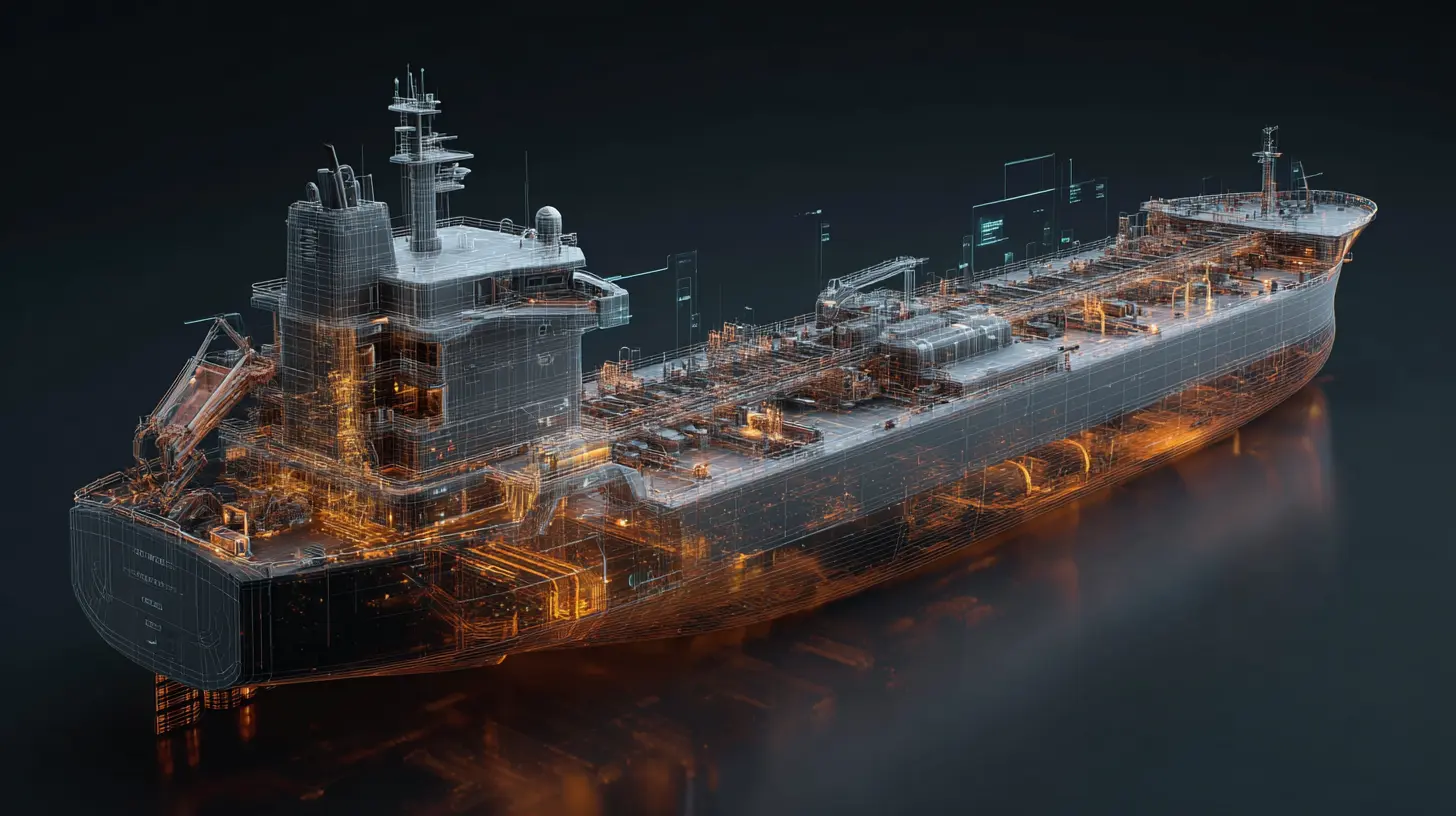
The detection of pollution at sea relies on advanced AI models capable of identifying threats in changing environments. To train these tools, we convert numerical simulations into training data to enhance the effectiveness of pollution cleanup operations.
context
To identify hydrocarbons or drifting objects, our algorithms must be exposed to a wide variety of situations at sea. However, real images of pollution are rare, expensive to obtain, and sometimes not fully representative of real-world conditions.
The challenge is to produce sufficient training data without relying solely on actual captures. By simulating diverse maritime scenarios, we create robust databases that enable our systems to accurately recognize pollutants, even in adverse weather conditions. This approach ensures that our decision-support tools remain reliable when deployed on robots or surveillance drones.
SOLUTION
SIMULATE marine pollution TO TRAIN A ROBUST detection aI.
This approach addresses the lack of real images while providing full control over training scenarios to optimize pollution cleanup interventions.
benefits
Thanks to this strategy, we secure the development of monitoring systems and accelerate their deployment. The tangible benefits are as follows:
01
Accelerated learning through unlimited data generation
02
Increased reliability against rare or critical pollution events
03
Drastic reduction in data collection costs
see also
Modelling & Simulation
Artificial intelligence
Improving the reliability of a submarine control and command simulation